
How Steel Market Pricing Really Works: The Key Factors Behind PEMB Costs
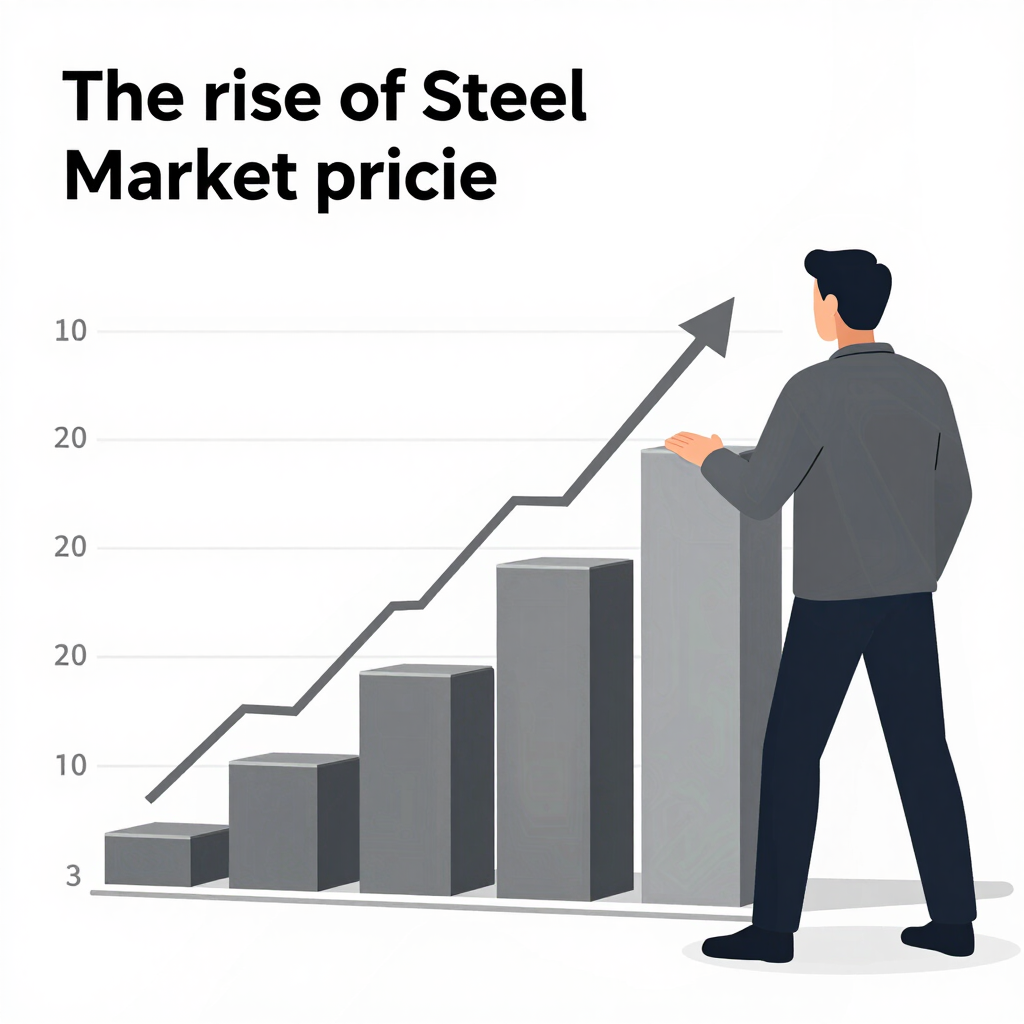
Steel is one of the biggest cost drivers in any pre‑engineered metal building (PEMB). It’s also one of the most dynamic. Prices can shift month to month — sometimes week to week — and those changes ripple through the entire building package. Whether you’re planning a project, comparing quotes, or trying to understand why pricing moves the way it does, this breakdown explains the real forces behind steel costs and how they influence PEMB pricing.
4/8/20262 min read
1. Steel Is a Global Commodity — and Global Forces Shape the Price
Steel pricing doesn’t operate in a vacuum. It’s influenced by worldwide conditions, including:
International supply and demand
Energy and fuel costs
Raw material availability (iron ore, scrap)
Global shipping and freight trends
Even if a project is local, the steel used in a PEMB is tied to global markets. When overseas mills slow production or energy prices spike, U.S. prices typically follow.
2. Mill Lead Times Signal Where Pricing Is Headed
Lead times — how long mills take to produce steel — are one of the clearest indicators of market direction.
Short lead times (4–6 weeks): Mills are slower → pricing often softens
Long lead times (10–16+ weeks): Mills are overloaded → pricing tends to rise
Understanding lead times helps explain why quotes can vary and why timing matters when locking in a building package.
3. Fabricator Capacity Can Shift Pricing on Its Own
Even when raw steel prices stabilize, fabricators can become bottlenecks.
When fabricators are busy:
Prices increase
Delivery windows stretch
Projects may be prioritized based on size or relationships
When they’re slow:
Pricing becomes more competitive
Delivery schedules tighten
Turnaround improves
This is why two identical buildings can receive different quotes depending on which shop has capacity at the moment.
4. Building Complexity Directly Impacts Steel Weight
Two buildings with the same footprint can require very different amounts of steel.
Factors that increase steel tonnage include:
Wide clear spans
High wind or snow loads
Heavy collateral loads
Mezzanines
Cranes
Tall eave heights
More steel = higher cost. Complexity matters just as much as square footage.
5. Freight and Logistics Are a Larger Portion of Cost Than Most Expect
Freight isn’t just a line item — it’s a meaningful part of the total PEMB price.
Costs fluctuate based on:
Number of truckloads required
Distance from the fabricator
Fuel prices
Delivery sequencing and timing
Sometimes the most cost‑effective building isn’t the one with the lowest steel price — it’s the one sourced closer to the project site.
6. Timing Plays a Major Role in Final Pricing
Steel markets move in cycles. Historically:
Prices often rise in the first half of the year
Prices tend to soften in the second half
But recent years have seen more volatility due to:
Supply chain disruptions
Mill consolidation
Shifts in construction demand
The timing of when a building is released, fabricated, and delivered can meaningfully affect the final cost.
What This Means for Anyone Planning a PEMB
Understanding steel pricing isn’t about predicting the market — it’s about understanding the variables that shape it.
The most successful projects tend to:
Build in realistic pricing ranges early
Pay attention to market movement and lead times
Work with suppliers who explain the “why,” not just the number
When you understand the forces behind steel pricing, you can plan more confidently and avoid surprises.